

Finishing the Task
Praying Kingdom Parables for all Buddhists
Praying for the Buddhist world can feel intimidating. The people, beliefs and places are incredibly diverse, and Buddhism itself is layered and complex, shaped by centuries of history, geography and politics. With so much to understand, it can feel like you need a library just to pray wisely.
But the heart of this prayer guide is simple: pray for Buddhist people. Jesus reminds us in Matthew 6:7 that prayer doesn’t need to be complicated or wordy.

500 Million Remain Unreached
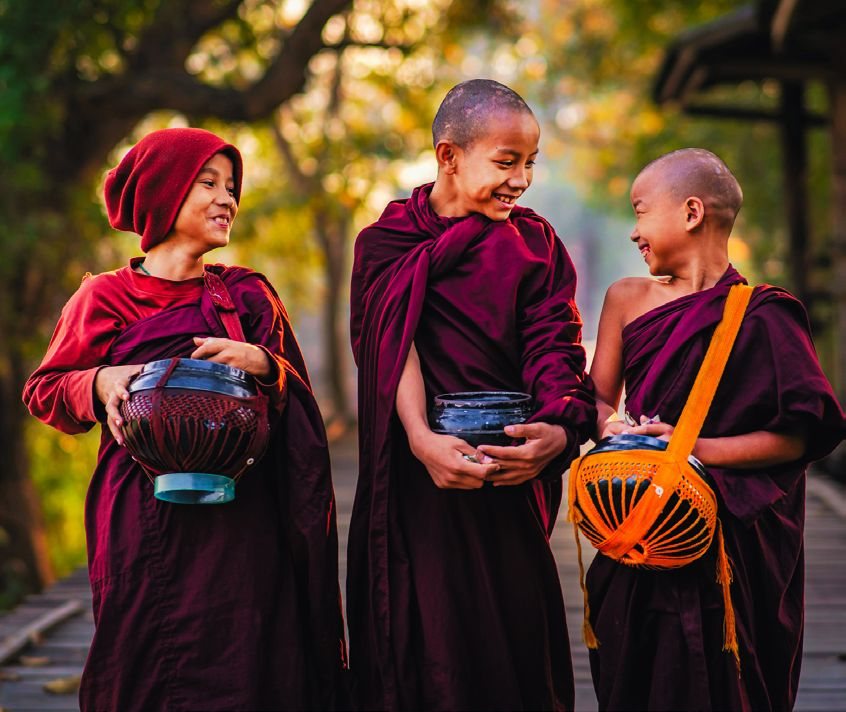
The world’s 500 million Buddhists are largely unreached and remain at the heart of the unfinished task. The vast majority have never heard the gospel and have little or no opportunity to hear the Good News from someone within their own culture. They live with deep spiritual longing, shaped by centuries of Buddhist teaching, but without having anyone to clearly share Jesus’ message of hope and salvation with them.
We join together globally not to pray for a “bloc,” but for individuals whom God deeply loves. We pray with the belief that many former Buddhists will one day stand with us before God’s throne, part of the “crowd too numerous to count” from every tribe, tongue, and nation.
Kingdom Parables
Each day we will pray for a different region, city, and Buddhist traditions. We will also pray through a different Kingdom parable every day.
Jesus used everyday images to show both the power of multiplication in advancing the Kingdom and the immeasurable value of the Kingdom itself. He spoke of a farmer scattering seed, a woman working yeast into dough, a merchant who discovers a treasure worth everything he owns, and a net pulled from the sea filled with every kind of fish. No single image could capture the fullness of the Kingdom.
Habakkuk saw it as water. Jesus described it as seed, yeast, treasure, a net and a banquet. The images multiply because the reality of God’s Kingdom is too vast to be contained in any one picture.
Each parable reveals a Kingdom principle to guide our prayers for that particular place: how the Kingdom takes root in contested soil, spreads invisibly through a nation that cannot contain it, moves people to give up everything for a treasure they never expected to find, searches until the lost are found, and carries its invitation into backroads and overlooked places where no one would think to look.
Together, these parables paint a picture of a Kingdom that is hidden yet unstoppable, costly yet freely given, seemingly small yet destined to fill the world.
As you pray through these pages, come expecting to encounter that reality. The same God who scattered these parables across a Galilean hillside is scattering His Word across the Buddhist world today. These seven days are an invitation to join Him in that work: to pray with eyes open to what He is already doing and with faith for what He has promised to complete.
What Is a Movement?
What does breakthrough look like? Around the world, “Book of Acts” movements are emerging, including in parts of the Buddhist world. We pray for these movements to multiply throughout the Buddhist world.
In these movements, ordinary believers use biblical, reproducible processes to share the Good News as disciples multiply disciples, leaders multiply leaders, and churches multiply churches.
More than 2,000 documented church-planting movements are now active worldwide, representing more than 200 million disciples and 10 million churches. Movement is not a modern strategy; it is the pattern of the early church, when the gospel spread rapidly through multiplying disciples and churches.
The Buddhist world remains one of the greatest frontiers for this kind of Kingdom movement. Prayer is not a supporting effort; it is the engine driving Kingdom multiplication. We pray with faith that God will bring a rich, multiplying harvest among the Buddhists He loves.
১১০টি শহর কেন?
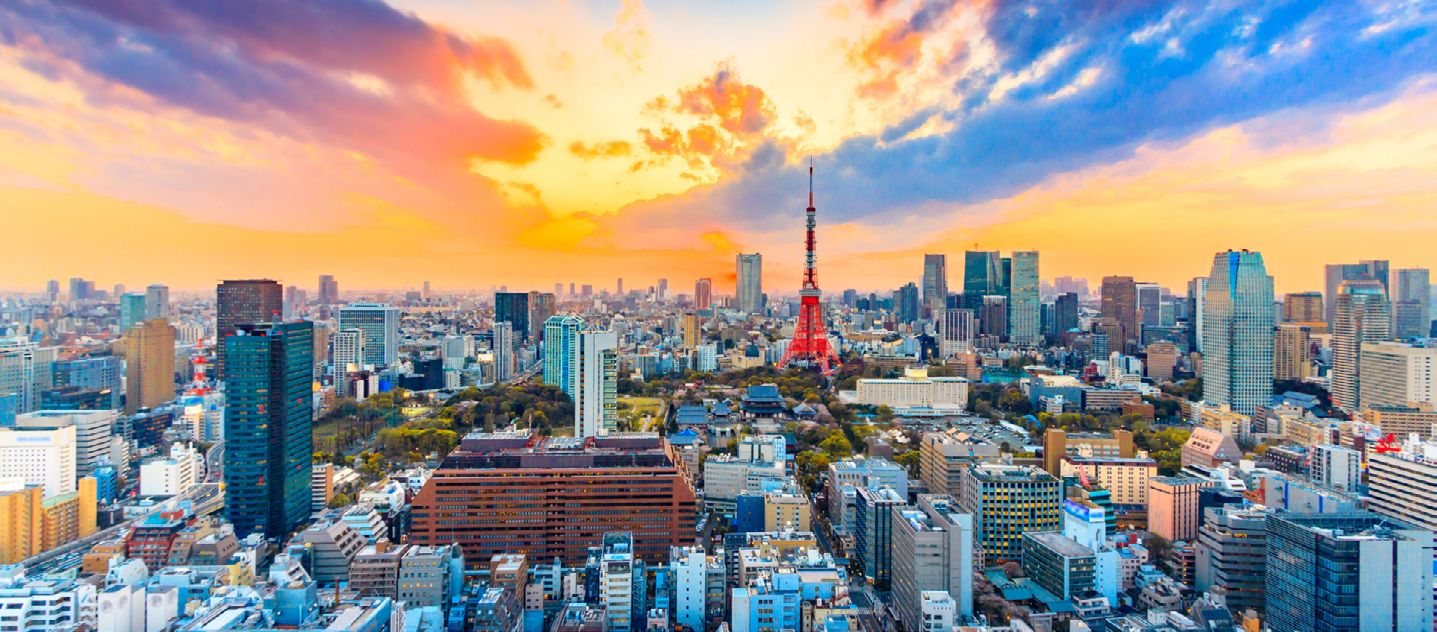
Throughout this guide, you’ll find highlighted cities across South, Southeast and East Asia with large Buddhist populations. We highlight these cities because God loves cities and because they can become springboards for the gospel.
More than half the world’s population now lives in cities, a number expected to reach two-thirds by 2050. The 110টি শহর are among the world’s most unreached megacities, representing languages spoken by 97% of the world’s remaining unreached peoples.
Our prayer is for a Kingdom movement in each city: an organic work of the Holy Spirit in which disciples multiply, churches grow, and every part of urban life is touched by Christ.
Psalm 110:1–3 calls God’s people to join Him in asking for the nations. We pray not because the task is small, but because Jesus is worthy of every city and every people.
Thank you for joining millions around the world in praying for the people who call these cities home.


 Bengali
 English (United States)
 Afrikaans
 Arabic
 Chinese
 Dutch
 English (UK)
 Finnish
 French
 German
 Gujarati
 Hindi
 Indonesian
 Italian
 Japanese
 Kannada
 Khmer
 Korean
 Malay
 Marathi
 Nepali
 Panjabi
 Pashto
 Persian
 Portuguese
 Romanian
 Russian
 Spanish
 Swahili
 Tamil
 Telugu
 Thai
 Urdu
 Vietnamese