Tras su despertar, Buda buscó a otros buscadores y les impartió sus primeras enseñanzas. En lugar de señalar a una deidad creadora, ofreció un marco para comprender el sufrimiento y escapar de él. Las "Cuatro Nobles Verdades" eran fundamentales en su mensaje: que la vida implica sufrimiento; que el sufrimiento surge del deseo y la ignorancia; que el sufrimiento puede cesar; y que la manera de acabar con el deseo y la ignorancia es siguiendo el "Camino Medio", también conocido como el "Noble Óctuple Sendero".“
Según la enseñanza budista, el sufrimiento resulta del apego a lo impermanente. Este apego ata a las personas a un ciclo continuo de nacimiento, muerte y renacimiento, en el que incluso la idea de un yo permanente se considera una ilusión. La liberación solo llega al liberarse del anhelo y la ignorancia.
El Buda enseñó que la liberación de este ciclo se logra mediante una vida disciplinada que evita los excesos de indulgencia y la abnegación severa. El Camino Medio enfatiza la comprensión, la intención, el habla, la acción, el sustento, el esfuerzo, la atención plena y la concentración correctos. Estas prácticas buscan transformar el deseo y la percepción.
El objetivo final de la práctica budista no es la comunión con un Dios personal, sino la extinción del anhelo, la liberación del sufrimiento y el renacimiento.
* Para mayor claridad y coherencia, esta guía utiliza términos sánscritos comúnmente reconocidos para los conceptos budistas. Las descripciones reflejan enseñanzas históricas y prácticas contemporáneas observadas en diversos contextos culturales.
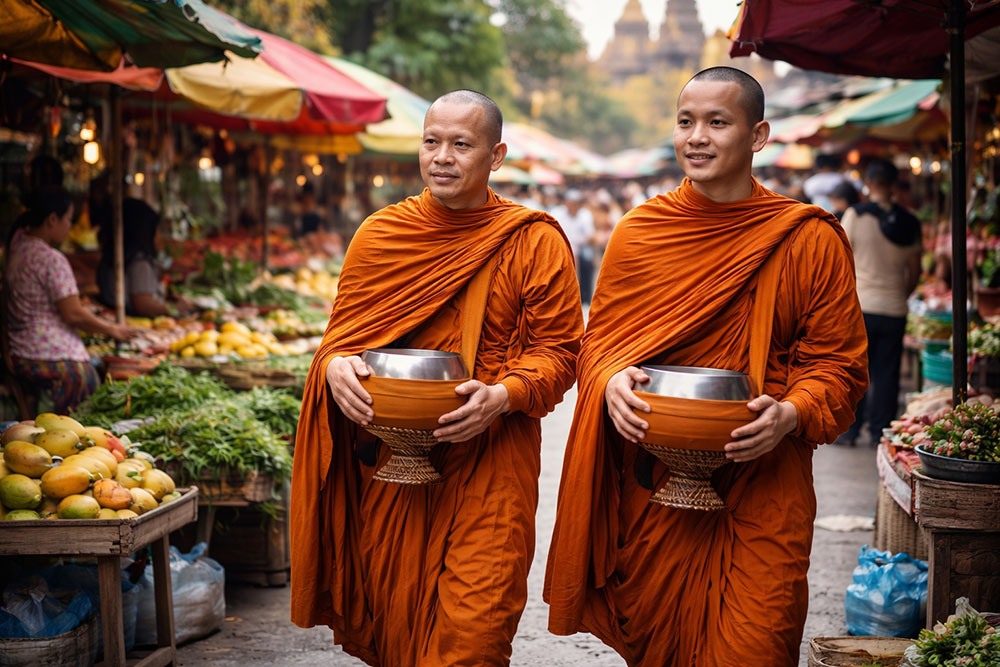
En gran parte del mundo, el budismo se vive más como un marco cultural que como un sistema de creencias definido. A menudo se superpone a las costumbres existentes, moldeando la vida cotidiana, las festividades y los valores sociales, lo que da lugar a una gran diversidad regional.
En el Tíbet, la práctica budista absorbió elementos de antiguas tradiciones chamánicas. En Tailandia, los monjes pueden recibir artículos cotidianos como comida o bebida en cuencos de limosna, mientras que Bután aplica estrictos códigos morales, incluyendo la prohibición de fumar. Las actitudes hacia las mujeres varían considerablemente: algunas tradiciones restringen la ordenación o el acceso a los espacios sagrados, mientras que otras ordenan plenamente a las monjas.
La preocupación por el medio ambiente es central en algunas expresiones budistas occidentales, pero está prácticamente ausente en otras. En muchas sociedades, el budismo coexiste con la veneración a los antepasados, los rituales espirituales y la religión popular.
Para la mayoría de los seguidores, hoy en día la práctica se centra en la creación de méritos.


110 CIUDADES - Una alianza global | Sitio web de Medios de comunicación del IPC.
110 CIUDADES - Un proyecto de IPC a US 501(c)(3) No 85-3845307 | Más información | Sitio por: MEDIOS DE CIP


 Spanish
  English (United States)
  Afrikaans
  Arabic
  Bengali
  Chinese
  Dutch
Dutch  English (UK)
  Finnish
  French
  German
  Gujarati
  Hindi
Hindi  Indonesian
  Italian
  Japanese
  Kannada
  Khmer
Khmer  Korean
  Malay
Malay  Marathi
  Nepali
  Panjabi
  Pashto
  Persian
  Portuguese
  Romanian
  Russian
  Swahili
  Tamil
Tamil  Telugu
  Thai
Thai  Urdu
Urdu  Vietnamese